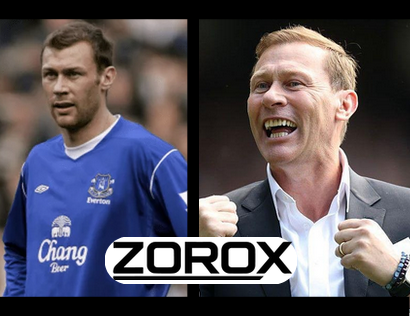
Duncan Ferguson is one of the most recognizable and polarizing figures in British football history. Known affectionately as “Big Dunc,” he built a reputation as a fearless striker, fierce competitor, and cult hero at Everton Football Club. Beyond his imposing physical presence, Duncan Ferguson embodied loyalty, passion, and raw emotion, qualities that resonated deeply with supporters. His career included memorable goals, intense rivalries, controversial moments, and an eventual transition into coaching. This detailed biography explores Duncan Ferguson’s early life, playing career, controversies, personal struggles, coaching journey, and lasting legacy, offering a complete picture of a footballer who left an indelible mark on the game.
| Field | Details |
|---|---|
| Full Name | Duncan Cowan Ferguson |
| Nickname | Big Dunc |
| Date of Birth | 27 December 1971 |
| Age | 53 years (as of 2025) |
| Place of Birth | Stirling, Scotland |
| Nationality | Scottish |
| Height | 6 ft 4 in (1.93 m) |
| Profession | Former Professional Footballer, Coach |
| Playing Position | Striker (Centre Forward) |
| Youth Club | Dundee United |
| Senior Clubs | Dundee United, Rangers, Everton |
| Everton Career | 1995–1998, 2000–2006 |
| International Team | Scotland National Team |
| International Caps | 7 caps, 3 goals |
| Notable Achievement | Everton cult hero; iconic Merseyside derby goals |
| Premier League Goals | 72 career league goals (approx.) |
| Managerial Role | Everton Interim Manager (2019) |
| Coaching Career | Everton First-Team Coach |
| Marital Status | Married |
| Children | Yes (number kept private) |
| Legal History | Served 3 months in prison in 1994 |
| Net Worth | Estimated $5–7 million |
| Current Status | Football coach and club ambassador |
| Known For | Physical dominance, leadership, loyalty to Everton |
Early Life and Childhood of Duncan Ferguson
Duncan Ferguson was born on 27 December 1971 in Stirling, Scotland. Raised in a working-class environment, he developed a tough, uncompromising character early in life. Football became an outlet for his competitive nature, and his physical strength quickly set him apart from his peers. Growing up, Duncan Ferguson idolized traditional British center-forwards who relied on power, aerial dominance, and bravery. These influences shaped his playing style. His upbringing instilled resilience and determination, qualities that later defined both his football career and personal journey. Even as a young boy, Duncan Ferguson displayed leadership traits and a refusal to back down from challenges.
Youth Football and Early Development
The football journey of Duncan Ferguson began in Scotland’s youth systems, where his physical maturity attracted attention. He joined Dundee United’s youth academy, a club known for developing disciplined professionals. Coaches recognized his raw talent but also his fiery temperament. At youth level, Duncan Ferguson combined strength, aerial ability, and finishing instincts. However, managing his aggression became a constant challenge. Despite this, his goal-scoring record and commanding presence made him impossible to ignore. These formative years laid the technical and mental foundation that would propel Duncan Ferguson into senior professional football.
Professional Debut with Dundee United
Duncan Ferguson made his senior debut for Dundee United in 1990, quickly becoming one of Scotland’s most talked-about young strikers. His performances were marked by powerful headers, physical dominance, and fearless challenges. Fans admired his commitment, while defenders feared his presence. However, his time at Dundee United also introduced early controversy, including disciplinary issues. Despite these challenges, Duncan Ferguson’s performances attracted attention from major English clubs. His Scottish league success established him as a rising star and set the stage for a high-profile move south of the border.
Move to Rangers and Record Transfer
In 1993, Duncan Ferguson signed for Rangers FC in a then-record transfer fee involving a British teenager. Expectations were enormous, but the move proved challenging. Injuries and competition limited his impact on the pitch. Additionally, off-field issues overshadowed his time at the club. Although he won domestic honors with Rangers, Duncan Ferguson struggled to replicate his Dundee United form. This period marked one of the most turbulent phases of his career, ultimately leading to his departure. The Rangers chapter remains a complex and often debated part of Duncan Ferguson’s biography.
Legal Troubles and Time in Prison
One of the most defining and controversial chapters in Duncan Ferguson’s life occurred in 1994, when he was sentenced to three months in prison for assault during a football match. The incident shocked British football and made the first professional footballer jailed for an on-field offense. While damaging to his reputation, the experience proved transformative. Ferguson later described prison as a wake-up call that forced him to confront his behavior. This moment became a turning point, shaping his maturity and perspective both on and off the pitch.
Signing for Everton: A Career-Defining Move
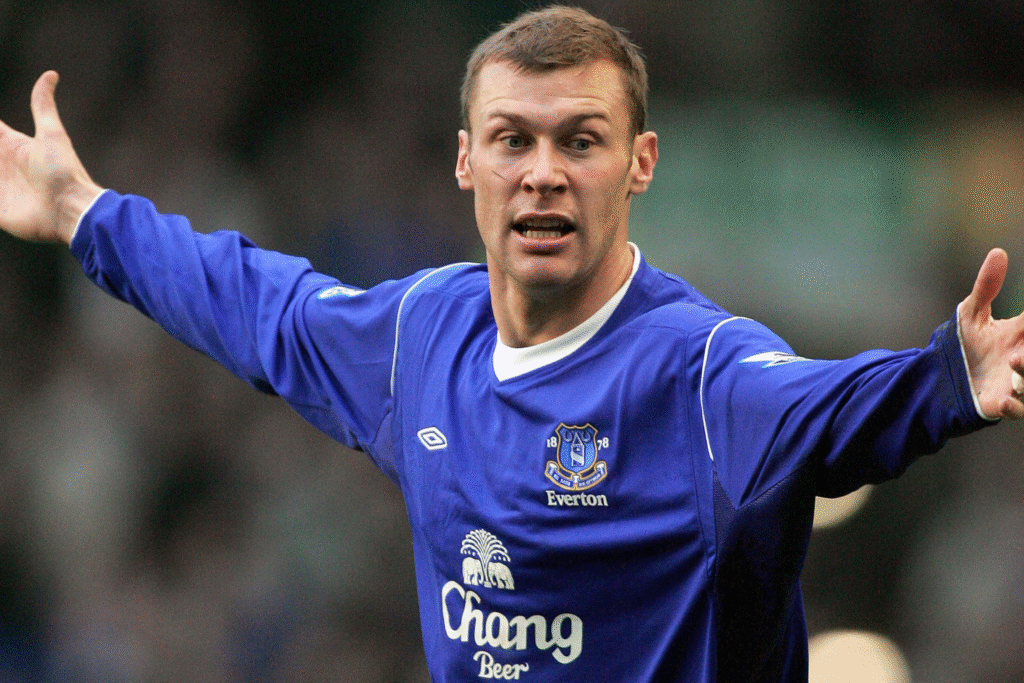
In 1995, Duncan Ferguson joined Everton FC, the club that would define his legacy. From his first appearance, he connected deeply with Everton supporters. His aggressive style, loyalty, and willingness to fight for the badge embodied the club’s identity. Although injuries limited his appearances, He delivered crucial goals in high-pressure moments. Everton became more than a club to him; it became home. His relationship with fans transcended statistics, making him a cult hero and emotional leader throughout his playing career.
Playing Style and Physical Presence
Duncan Ferguson’s playing style was unique and intimidating. Standing at 6 feet 4 inches, he dominated defenders physically and excelled in aerial duels. He thrived on crosses, set pieces, and physical battles inside the penalty area. Unlike technical strikers, He relied on power, positioning, and sheer determination. His aggression often bordered on reckless, but it also inspired teammates and fans. This combination of strength and passion made him one of the Premier League’s most feared forwards during his era.
Iconic Goals and Memorable Matches
Throughout his Everton career, Duncan Ferguson scored goals that fans still celebrate decades later. His derby performances against Liverpool were particularly legendary, as he frequently rose to the occasion. One of his most iconic moments came during Everton’s relegation battles, where his goals proved decisive. Although his total goal tally was modest, the timing and importance of his goals elevated his status. For supporters, symbolized hope, fight, and unwavering commitment during difficult seasons.
Injuries and Physical Challenges
Injuries significantly impacted Duncan Ferguson’s career. Chronic knee and hamstring problems limited his appearances and prevented consistent form. Despite these setbacks, he continued to play through pain, earning admiration for his toughness. The physical demands of his playing style took a toll on his body. Nevertheless, Duncan Ferguson’s resilience allowed him to contribute when fit, reinforcing his reputation as a warrior figure. His injury struggles ultimately influenced his decision to retire earlier than many peers.
International Career with Scotland
Duncan Ferguson earned seven caps for the Scotland national team, scoring three goals. Despite his talent, his international career was brief due to disciplinary issues and competition for places. His refusal to apologize for on-field conduct once led to his exclusion from selection. While controversial, this stance reflected Duncan Ferguson’s uncompromising personality. Though his Scotland career was limited, his impact at club level ensured his lasting recognition within British football history.
Retirement from Professional Football
Duncan Ferguson retired from professional football in 2006. His decision followed ongoing injury issues and physical wear. Retirement marked the end of an intense playing career defined by passion and conflict. However, He remained closely connected to Everton, transitioning seamlessly into a behind-the-scenes role. His retirement was not an exit from football but a transformation, allowing him to contribute through mentorship and leadership rather than physical dominance.
Transition into Coaching and Management
After retirement, Duncan Ferguson joined Everton’s coaching staff, working closely with players and managers. His understanding of the club’s culture made him a valuable influence in the dressing room. In 2019, he served as Everton’s interim manager, earning praise for revitalizing team spirit. His touchline passion mirrored his playing days, endearing him once again to fans. Coaching allowed to channel his intensity into leadership and tactical awareness.
Duncan Ferguson as Everton’s Interim Manager
During his interim managerial spell, He led Everton with emotional intelligence and motivational leadership. Players responded positively to his honesty and passion. His victory against Chelsea highlighted his ability to inspire performance under pressure. Although brief, this period reinforced his status as a natural leader. Duncan Ferguson’s management style emphasized effort, unity, and accountability, reflecting the values he embodied as a player.
Personal Life and Family
Away from football, Duncan Ferguson is a devoted family man. He is married and has children, often emphasizing the importance of stability and personal growth. His life after football reflects maturity and reflection. Duncan Ferguson has spoken openly about learning from past mistakes and prioritizing family. This personal evolution adds depth to his public image, showing a man shaped by experience rather than defined by controversy.
Public Image and Media Perception
The media portrayal of Duncan Ferguson has evolved significantly. Once labeled volatile and dangerous, he is now viewed as passionate and authentic. His honesty and willingness to discuss mistakes have softened public perception. Fans appreciate his transparency and loyalty. Duncan Ferguson’s story resonates because it reflects growth, accountability, and redemption, themes that extend beyond football.
Legacy and Cultural Impact
Duncan Ferguson’s legacy is rooted in emotion rather than numbers. He represents an era of football driven by grit and loyalty. At Everton, he remains a symbol of defiance and pride. His influence extends to younger players who admire his commitment. Duncan Ferguson occupies a rare space in football culture, remembered not just for goals, but for heart.
Conclusion
Duncan Ferguson is far more than a former striker; he is a footballing symbol of passion, resilience, and authenticity. His journey from controversial young talent to respected leader illustrates personal growth shaped by adversity. While his career included mistakes, it also delivered unforgettable moments and deep connections with fans. As both player and coach, embodied commitment to club and community. His story remains one of the most compelling narratives in British football history.
Frequently Asked Questions (FAQs)
Who is Duncan Ferguson?
Duncan Ferguson is a former Scottish footballer and Everton legend known for his physical playing style and leadership.
Why is Duncan Ferguson called Big Dunc?
The nickname “Big Dunc” reflects his imposing height, strength, and dominant presence on the pitch.
Did Duncan Ferguson go to prison?
Yes, Duncan Ferguson served three months in prison in 1994 for an on-field assault.
Which clubs did Duncan Ferguson play for?
He played for Dundee United, Rangers, and Everton, with Everton being his most iconic club.
Was Duncan Ferguson an Everton manager?
He served as Everton’s interim manager in 2019, earning praise for his leadership.
Is Duncan Ferguson still involved in football?
Yes, Duncan Ferguson has worked in coaching roles and remains connected to football.
For More Update and Stories Visit: Zorox