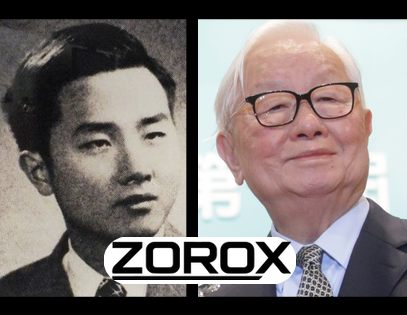
Morris Chang is widely regarded as one of the most influential figures in modern technology and global manufacturing. As the founder of Taiwan Semiconductor Manufacturing Company (TSMC), Morris Chang pioneered the pure-play foundry model, a revolutionary concept that reshaped how semiconductor companies design and manufacture chips. His vision not only transformed Taiwan into a global technology hub but also redefined the entire semiconductor supply chain. Born during a turbulent era, Chang’s life story reflects perseverance, intellectual excellence, and strategic foresight. Today, Morris Chang’s impact extends beyond business success, influencing geopolitics, global innovation, and the digital economy. This detailed biography explores his early life, education, career, achievements, leadership philosophy, and lasting legacy.
| Field | Details |
|---|---|
| Full Name | Morris Chang |
| Chinese Name | 張忠謀 (Zhang Zhongmou) |
| Date of Birth | July 10, 1931 |
| Age | 93 years (as of 2025) |
| Place of Birth | Ningbo, Zhejiang Province, China |
| Nationality | Taiwanese-American |
| Profession | Business Executive, Semiconductor Pioneer |
| Known For | Founder of Taiwan Semiconductor Manufacturing Company (TSMC) |
| Company Founded | Taiwan Semiconductor Manufacturing Company (TSMC) |
| Year Founded | 1987 |
| Industry | Semiconductors, Technology, Manufacturing |
| Business Model | Pure-Play Semiconductor Foundry |
| Education | Bachelor’s & Master’s in Mechanical Engineering (MIT) |
| Doctoral Degree | PhD, Stanford University |
| Former Employers | Texas Instruments, General Instrument |
| Years Active | 1958 – 2018 |
| Major Role | CEO & Chairman of TSMC (1987–2018) |
| Leadership Style | Long-term, data-driven, ethical leadership |
| Key Contribution | Revolutionized global semiconductor manufacturing |
| Awards & Honors | National and international technology & business awards |
| Marital Status | Married |
| Residence | Taiwan & United States |
| Current Status | Retired; Advisor and Public Intellectual |
| Legacy | Transformed Taiwan into a global semiconductor powerhouse |
Early Life and Family Background of Morris Chang
Morris Chang was born on July 10, 1931, in Ningbo, Zhejiang Province, China. His early childhood coincided with political instability and war, which deeply shaped his worldview. Chang grew up in a traditional Chinese family that valued education, discipline, and intellectual achievement. His father worked in finance, exposing young Morris to analytical thinking from an early age. Due to the Second Sino-Japanese War, his family relocated multiple times, eventually leaving mainland China. These early disruptions instilled resilience and adaptability—qualities that would later define Morris Chang’s leadership style. Despite instability, his academic performance remained exceptional, reflecting an early passion for engineering and problem-solving.
Educational Journey: From China to the United States
The educational path of Morris Chang played a crucial role in shaping his future success. After moving to the United States in the late 1940s, Chang enrolled at Harvard University. Although he initially pursued mechanical engineering, he later transferred to MIT (Massachusetts Institute of Technology), recognizing its stronger engineering focus. At MIT, Morris Chang excelled academically, earning both bachelor’s and master’s degrees in mechanical engineering. He later completed his PhD at Stanford University, one of the world’s leading innovation centers. His education exposed him to cutting-edge research, American corporate culture, and strategic thinking—elements that later helped Morris Chang bridge Eastern and Western business philosophies.
Early Career Struggles and Professional Setbacks
Despite his strong academic background, Morris Chang did not experience instant career success. Early in his professional life, he faced rejections and stalled promotions, which tested his confidence. Chang initially aspired to work in academia but struggled to secure a permanent faculty position. These setbacks pushed him toward the corporate world, where he would eventually find his true calling. Rather than viewing failure negatively, Morris Chang treated each obstacle as a learning experience. His ability to adapt and reassess goals became a defining trait. These early struggles shaped his pragmatic approach to leadership and prepared him for future challenges in the highly competitive semiconductor industry.
Joining Texas Instruments: A Defining Career Move
A major turning point came when Morris Chang joined Texas Instruments (TI) in 1958. At TI, he worked in semiconductor manufacturing, where he gained firsthand experience in chip production, yield improvement, and industrial scaling. Chang steadily rose through the ranks, eventually becoming Group Vice President, one of the highest positions held by an Asian executive at the time. His 25-year tenure at Texas Instruments gave Morris Chang deep insight into operational efficiency, corporate strategy, and the economics of semiconductors. However, despite his success, he encountered a “glass ceiling,” which ultimately influenced his decision to seek new opportunities beyond TI.
Transition to General Instrument and Leadership Lessons
After leaving Texas Instruments, Morris Chang joined General Instrument in the early 1980s. Although his time there was relatively short, it offered valuable leadership lessons. Chang gained experience managing large organizations under financial pressure and navigating complex corporate politics. Unfortunately, strategic disagreements limited his ability to implement meaningful change. This experience reinforced Morris Chang’s belief that vision and execution must align. It also strengthened his desire to build an organization from the ground up—one where long-term innovation would take priority over short-term gains.
Return to Taiwan and Government Involvement
In 1985, Morris Chang returned to Taiwan at the invitation of the government. He became president of the Industrial Technology Research Institute (ITRI), a state-backed organization aimed at advancing Taiwan’s technology sector. At ITRI, Chang identified a critical opportunity in semiconductor manufacturing. Taiwan lacked major chip companies, but it possessed a skilled workforce and government support. Morris Chang envisioned a new type of semiconductor company—one that focused exclusively on manufacturing rather than competing with customers in chip design. This insight laid the foundation for a historic transformation of the global semiconductor industry.
Founding of TSMC: A Revolutionary Idea
In 1987, Morris Chang founded Taiwan Semiconductor Manufacturing Company (TSMC). His concept of a pure-play semiconductor foundry was revolutionary. Unlike integrated device manufacturers, TSMC would not design chips; instead, it would manufacture chips for other companies. This model allowed fabless companies to innovate without massive capital investments. Initially, the idea faced skepticism, but Morris Chang remained confident. His strategic clarity and credibility attracted global clients. The founding of TSMC marked a turning point not only in Chang’s career but also in the structure of the entire semiconductor ecosystem.
The Pure-Play Foundry Model Explained
The pure-play foundry model, introduced by Morris Chang, fundamentally changed semiconductor economics. By separating chip design from manufacturing, companies could specialize and innovate faster. TSMC invested heavily in advanced fabrication technologies, allowing customers to benefit from economies of scale. This model reduced risks, accelerated product cycles, and lowered barriers to entry. Today, this approach dominates the industry, and Morris Chang is widely credited as its architect. The foundry model enabled the rise of companies like Apple, NVIDIA, and Qualcomm, all of which rely on TSMC’s manufacturing excellence.
Growth of TSMC into a Global Powerhouse
Under the leadership of Morris Chang, TSMC experienced remarkable growth. By the late 1990s, the company had become a global leader in chip manufacturing. Chang emphasized process technology, yield improvement, and long-term investment, even during economic downturns. TSMC consistently reinvested profits into research and development, maintaining a technological edge. Today, TSMC is the world’s largest contract chip manufacturer, producing advanced semiconductors essential for smartphones, artificial intelligence, and high-performance computing. Morris Chang’s disciplined leadership was central to this sustained success.
Morris Chang’s Leadership Philosophy
Morris Chang is known for his principled, data-driven leadership style. He valued integrity, long-term thinking, and accountability. Chang believed that leadership required clarity of purpose and moral responsibility. He often emphasized that trust is the most valuable asset in business, especially in a customer-centric model like TSMC’s. Unlike many executives, Morris Chang avoided micromanagement, instead empowering talented engineers and managers. His leadership philosophy combined Eastern cultural values with Western corporate efficiency, creating a unique management approach admired worldwide.
Innovation, R&D, and Strategic Vision
Innovation was at the core of Morris Chang’s strategy. He recognized early that semiconductor leadership required relentless investment in research and development. TSMC consistently allocated significant resources to developing smaller, more efficient manufacturing processes. Chang’s long-term vision allowed the company to stay ahead of competitors even during market downturns. His belief that technology leadership ensures market leadership proved accurate. He’s strategic foresight positioned TSMC as an indispensable partner in the global technology supply chain.
Global Impact on the Semiconductor Industry
The influence of Morris Chang extends far beyond Taiwan. His business model reshaped global supply chains and enabled the rapid growth of the digital economy. Semiconductors manufactured by TSMC power billions of devices worldwide. Chang’s success also elevated Taiwan’s geopolitical importance, making semiconductor security a global concern. Governments and corporations alike recognize the strategic significance of TSMC. Morris Chang’s contributions have thus had economic, technological, and political implications on a global scale.
Awards, Honors, and Global Recognition
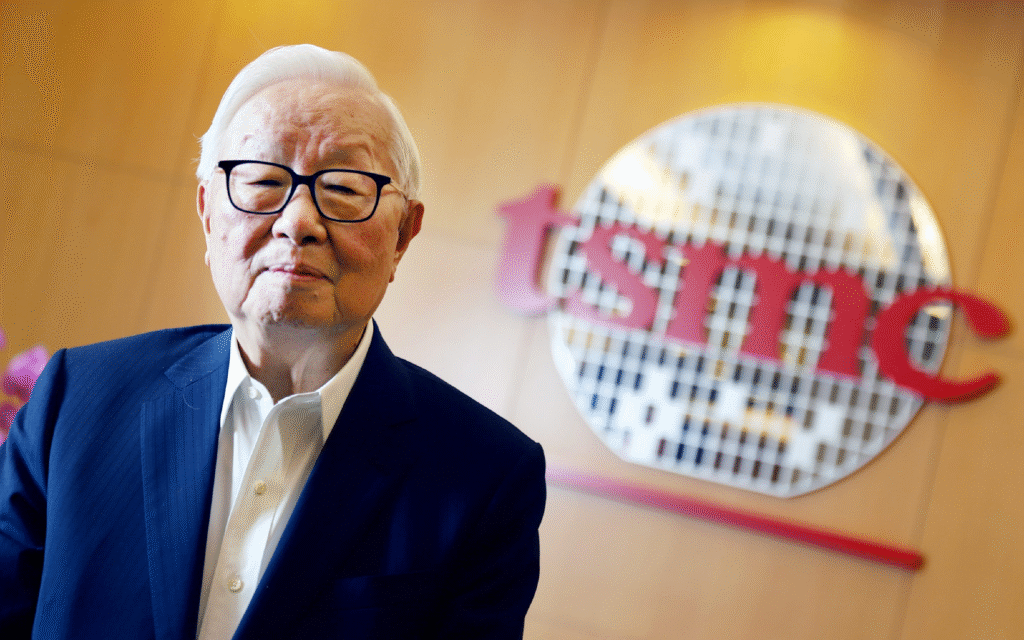
Throughout his career, Morris Chang has received numerous prestigious awards. These include national honors from Taiwan, international business awards, and recognition from academic institutions. He is often listed among the most influential leaders in technology and manufacturing. Chang’s achievements have been celebrated not only for financial success but also for their transformative impact on innovation and industrial organization. His legacy is widely respected across governments, universities, and multinational corporations.
Retirement and Continued Influence
Morris Chang retired as TSMC’s CEO in 2018, after more than three decades of leadership. However, his influence did not end with retirement. Chang remains a respected advisor and public intellectual, frequently commenting on technology policy and global economics. His speeches and memoirs provide valuable insights into leadership and innovation. Even in retirement, he continues to shape discussions about the future of semiconductors and global cooperation.
Personal Life and Values
Despite his professional success, Morris Chang has maintained a relatively private personal life. He married later in life and values family, discipline, and lifelong learning. Chang is known for his intellectual curiosity and reflective nature. His life story reflects humility, resilience, and dedication to purpose. These personal values influenced his ethical leadership and long-term vision, setting him apart from many corporate executives.
Legacy of Morris Chang
The legacy of Morris Chang is monumental. He transformed Taiwan into a global semiconductor leader and redefined how technology companies operate. His pure-play foundry model continues to drive innovation worldwide. Chang’s life serves as a powerful example of perseverance, strategic thinking, and ethical leadership. Future generations of entrepreneurs and engineers will continue to learn from his vision and achievements.
Conclusion
Morris Chang is more than a successful entrepreneur; he is a visionary who reshaped the modern technological world. From humble beginnings to founding TSMC, his journey reflects resilience, intellect, and foresight. His innovations enabled countless technological advancements and altered global supply chains. Today, he stands as a symbol of strategic brilliance and long-term leadership. His story remains deeply relevant in an era defined by technology and global interdependence.
Frequently Asked Questions (FAQs)
Who is Morris Chang?
Morris Chang is the founder of TSMC and a pioneer of the pure-play semiconductor foundry model.
When was Morris Chang born?
Morris Chang was born on July 10, 1931, in Ningbo, China.
What is Morris Chang best known for?
He is best known for founding TSMC and transforming the global semiconductor industry.
What education does Morris Chang have?
Morris Chang studied at MIT and earned his PhD from Stanford University.
Why is Morris Chang important to global technology?
His business model enabled rapid innovation and made advanced chips accessible worldwide.
Is Morris Chang retired?
Yes, Morris Chang retired as TSMC’s CEO in 2018, though he remains influential.
For More Update and Stories Visit: Zorox